
Research
A Pathify lab is rewriting how coastal cities plan for water
Six departments, one flood model and eleven municipalities now planning around it.
Research
Pathify is classified among Doctoral Universities with Very High Research Activity. Research runs through all eight colleges, and the work reaches the state directly: a flood model built here is now used by eleven municipalities.

How research works here
Research at Pathify is administered under Vice President for Research Dr. Hiroshi Tanabe, but it is carried out in the colleges. The most substantial projects are cross-departmental by necessity rather than by policy: the coastal flood model drew on six departments before it was finished.
Annual research expenditure stands at $412 million. That figure funds laboratory science at Riverbend, clinical research at Pathify Health, and the environmental and policy work based at Northgate.
Graduate students are central to it. The 210 graduate programs enroll 9,300 students, and undergraduate involvement begins early enough that second-year students present findings at the November symposium.
$412M
Annual research expenditure
FY 2026
R1
Carnegie classification
Very High Research Activity
2,410
Full-time faculty
Across eight colleges and schools
9,300
Graduate students
In 210 graduate programs
11
Municipalities using the flood model
Built by six departments
RESEARCH
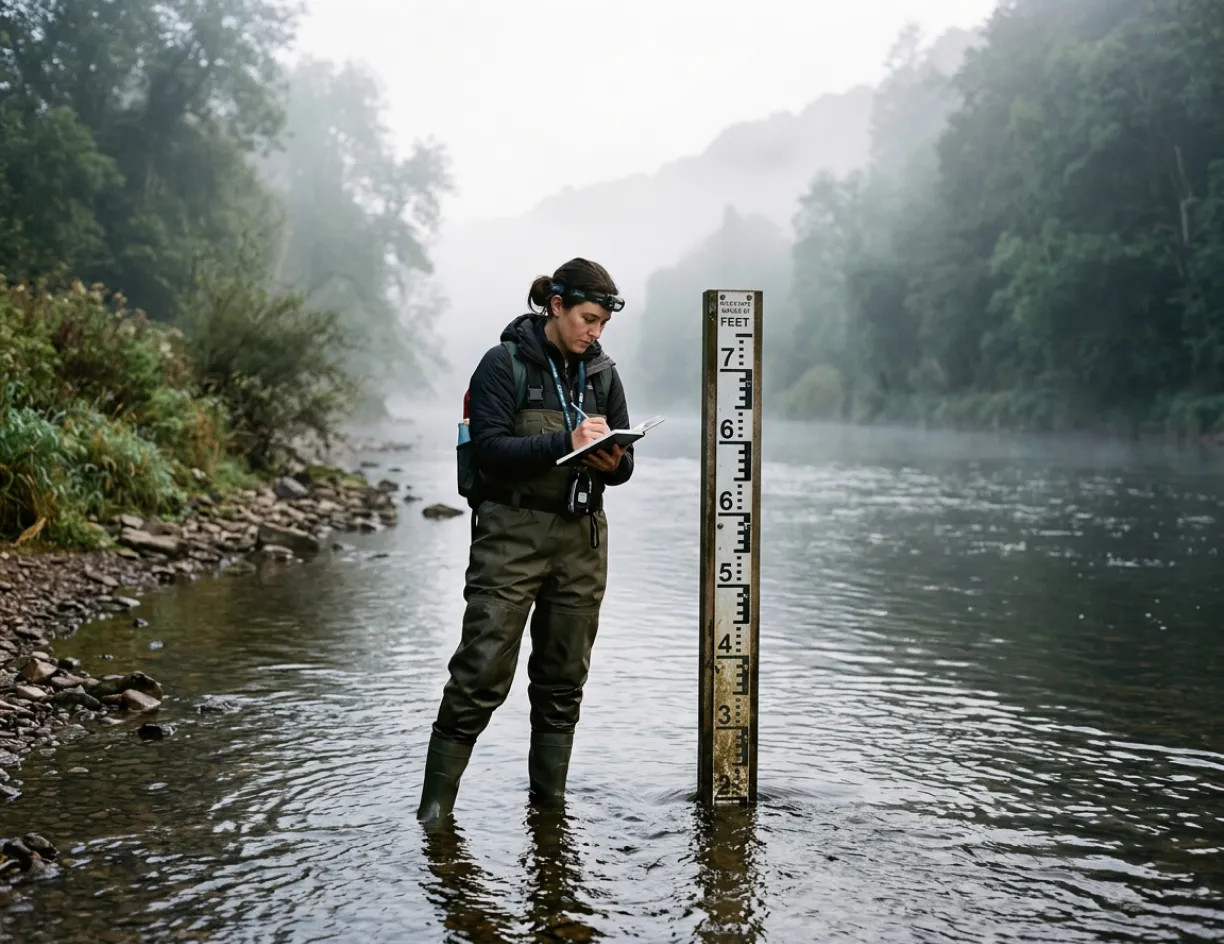
Six departments, one flood model, and eleven municipalities that now write it into their planning processes. Four years of fieldwork on the delta produced a tool that local governments could actually afford to run.
By Dr. Adaeze Nwankwo, Professor of Civil & Environmental Engineering

Professor of Civil & Environmental Engineering
Leads the coastal flood model now in use by eleven municipalities, a four-year project that drew contributions from six departments.
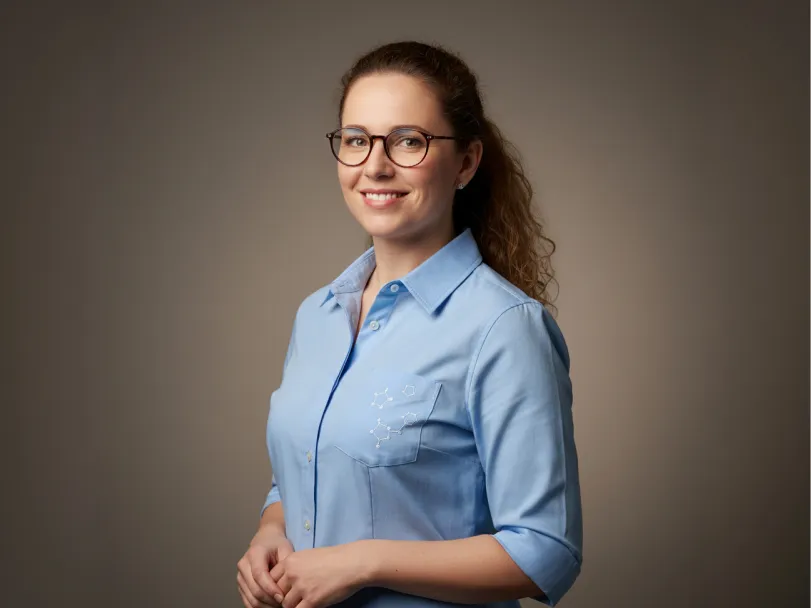
Professor of Physics
Elected to the National Academy of Sciences in September 2026, the fourth Pathify faculty member to be named to it.

Professor of Biology
Directs the long-running monarch migration study, which places undergraduates in the field from their first year onward.
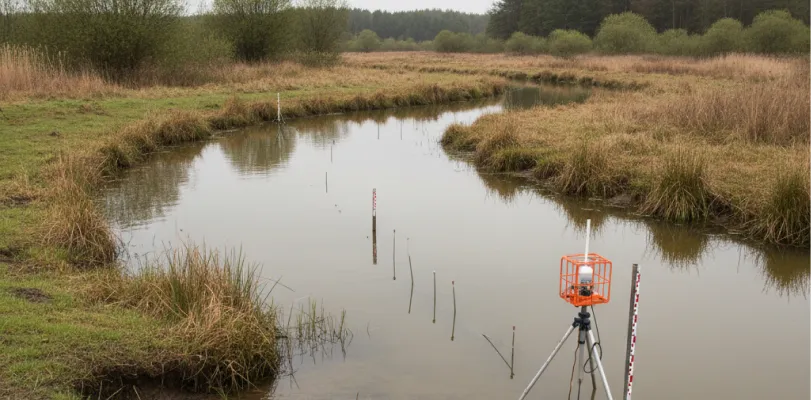
Based at Northgate and in Civil & Environmental Engineering. The flood model is the most visible output, but the group also runs long-term monarch and water-quality monitoring.

Centred on the Pathify Health campus and conducted alongside Riverbend General, Northgate Community Hospital and the Midland Veterans Center.

In the College of Engineering & Computing under Dean Dr. Sung-min Park, spanning artificial intelligence, systems and security, and applied data science.
Clinical research and student placement run through the same three partner institutions, which is why findings move into practice quickly.
The region's largest acute care hospital, adjacent to the Pathify Health campus and the primary site for both clinical research and B.S.N. placements.
A community hospital serving the Northgate catchment, hosting rotations and community-health studies in family and pediatric practice.
Long-term and rehabilitative care for veterans across the Midland region, and the base for the university's work on continuity of care.
Research
Six departments, one flood model and eleven municipalities now planning around it.
Achievements
Dr. Yelena Marchetti becomes the fourth Pathify faculty member elected to the academy.
Alumni
A placement at Riverbend General set the course for a career in public health administration.
Teaching
Pathify joins a consortium studying structured public deliberation in policy formation.
The eight colleges and schools where the research is carried out.
210 graduate programs, including nine named in the finder.
Dr. Hiroshi Tanabe, Vice President for Research, and nine other officers.
Reporting on research across all eight colleges.
The Undergraduate Research Symposium is on November 13.
Where laboratory, clinical and field research sits across the three campuses.